Tour Overview
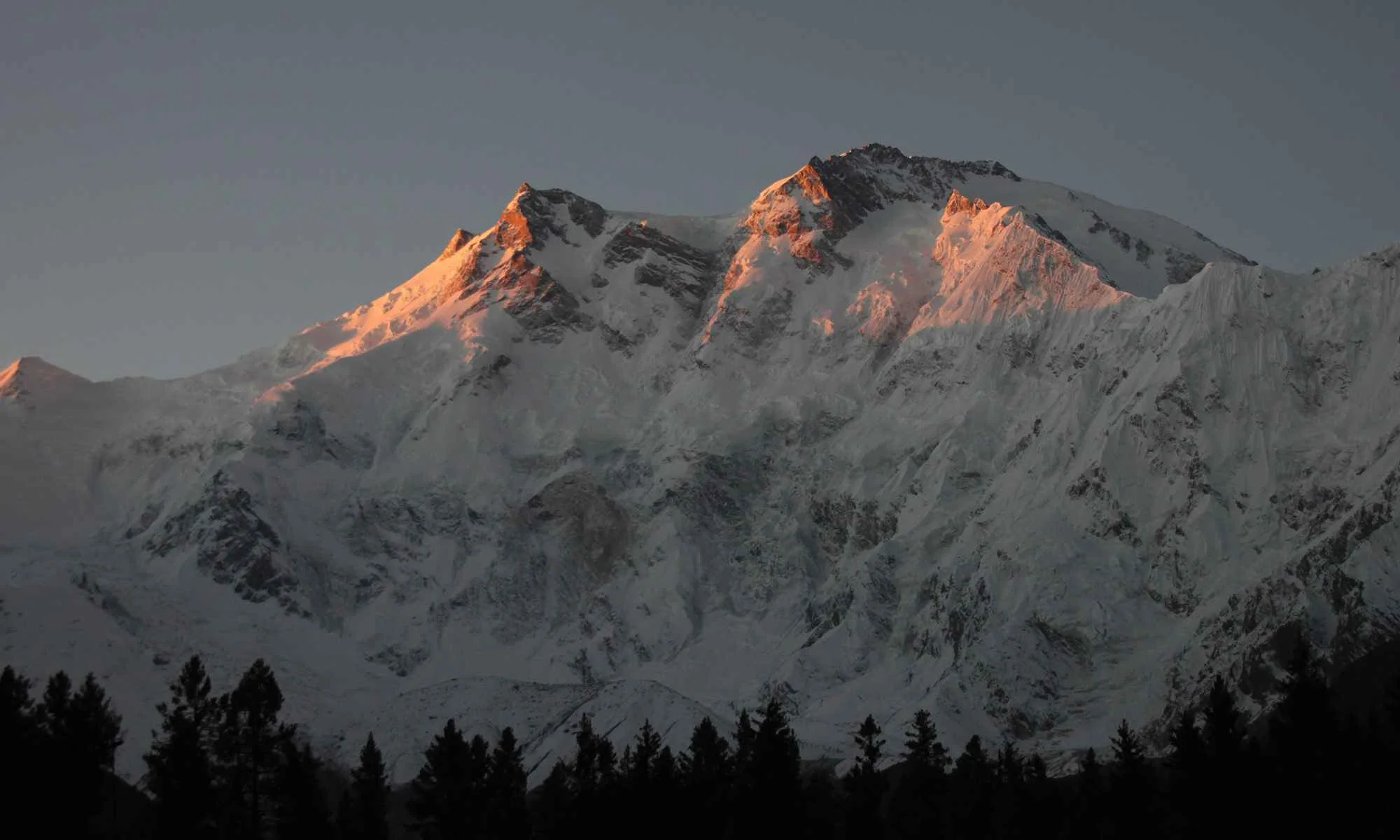
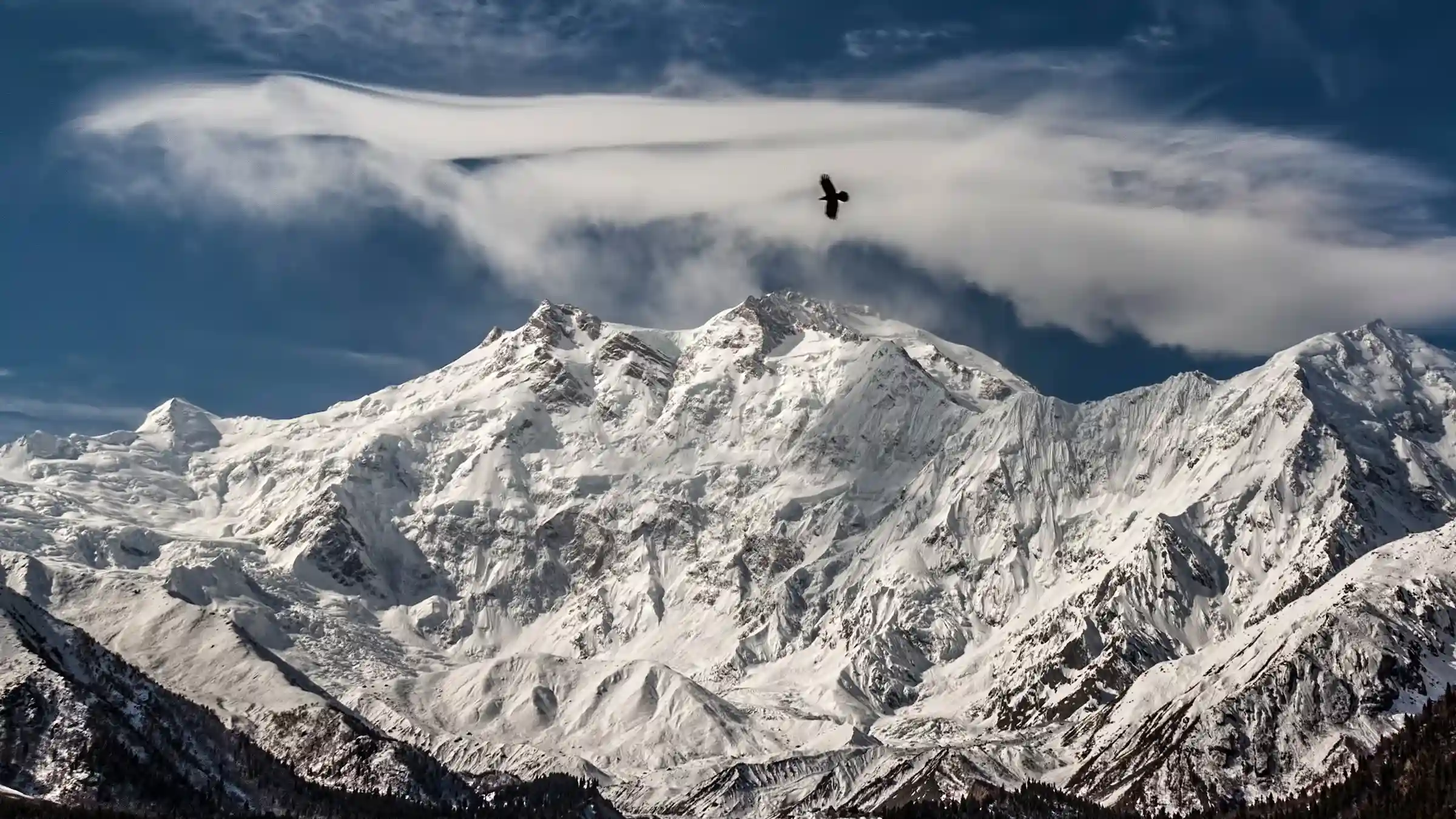
Nanga Parbat, also known as the "Killer Mountain," is one of the most formidable and revered peaks in the world. With an imposing height of 8,126 meters (26,660 feet), it is the ninth highest mountain in the world and the second highest in Pakistan.
Situated in the western Himalayas of Pakistan, Nanga Parbat is known for its sheer magnitude and treacherous climbing conditions. Its name translates to "Naked Mountain," likely referring to its steep, bare rock faces that rise dramatically from the surrounding valleys.
Nanga Parbat has a rich mountaineering history, but it is also infamous for its formidable reputation. The mountain has claimed the lives of many climbers throughout its history, earning its chilling nickname. The first successful ascent of Nanga Parbat was achieved in 1953 by Austrian climber Hermann Buhl, a remarkable feat that solidified the mountain's reputation as a challenging and dangerous climb.
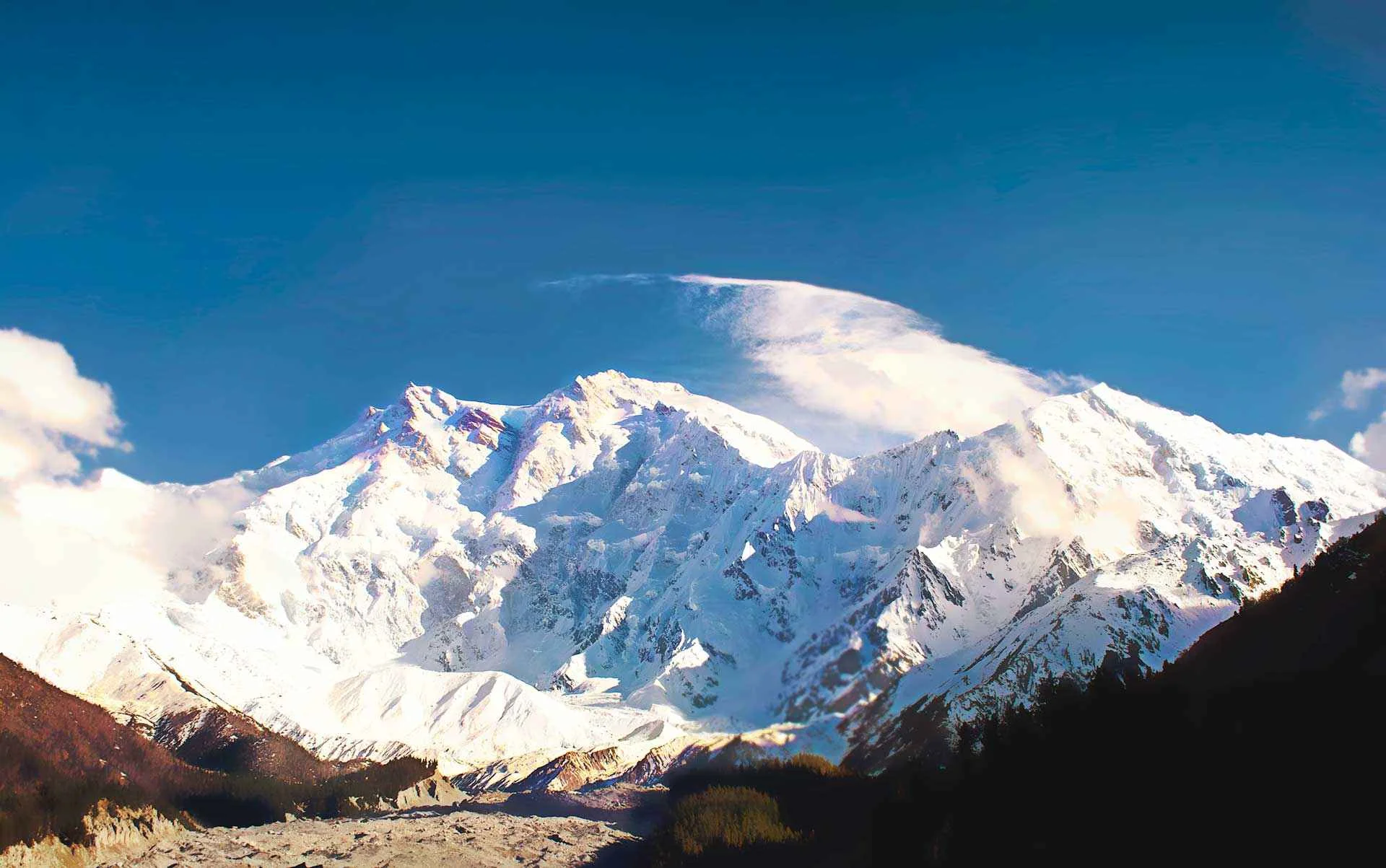
The mountain's south face, known as the Rupal Face, is the highest rock face in the world, presenting an immense and intimidating challenge to climbers. The northern side, while less steep, still demands technical expertise and endurance due to its icy slopes, unpredictable weather, and extreme altitude.
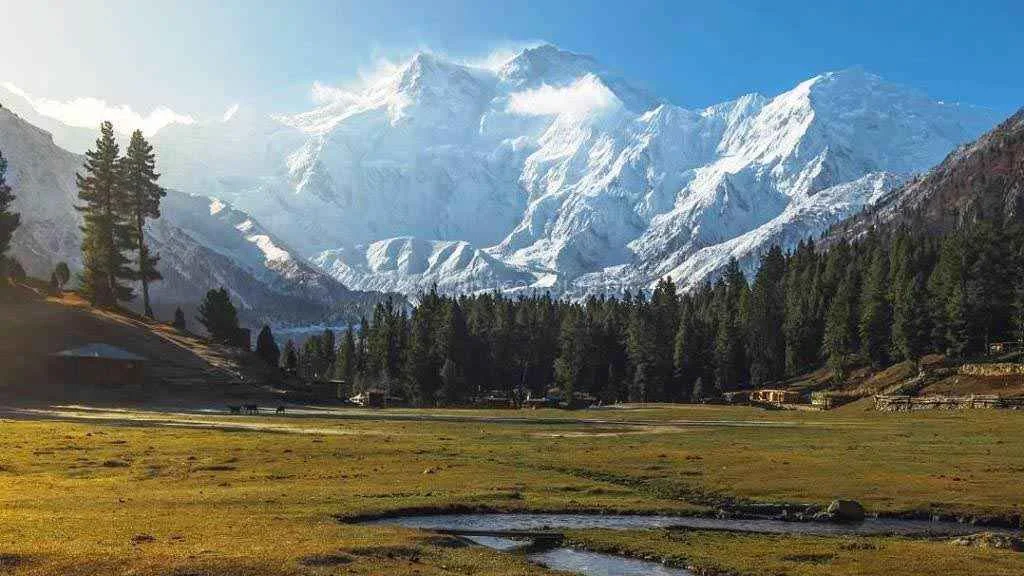
Nanga Parbat is part of the breathtakingly beautiful and rugged Karakoram Range, characterized by its soaring peaks, glaciers, and deep valleys. The surrounding area is home to unique flora and fauna, making it an important ecological region.
Despite its challenges, Nanga Parbat continues to attract experienced climbers from around the world who are drawn to its allure and the opportunity to conquer its treacherous slopes. It remains a symbol of perseverance, adventure, and the indomitable spirit of mountaineering.
Best Departure Seasons
| Season | Temperature | Conditions | Recommendation |
|---|
Tour Itinerary
Arrive at Islamabad International Airport, where our team will welcome you and transfer you to your hotel. Meet the expedition staff, relax after your flight, and attend a welcome briefing in the evening.
Attend the official briefing at the Ministry of Tourism, complete permit formalities, inspect climbing equipment, and make final preparations before departure.
A scenic drive along the Karakoram Highway through mountain valleys and rivers. Enjoy spectacular landscapes before reaching Chilas for an overnight stay.
Drive to Bunar, the starting point of the trek. Meet local porters, organize expedition equipment, and prepare for the journey to Base Camp.After a short driving,
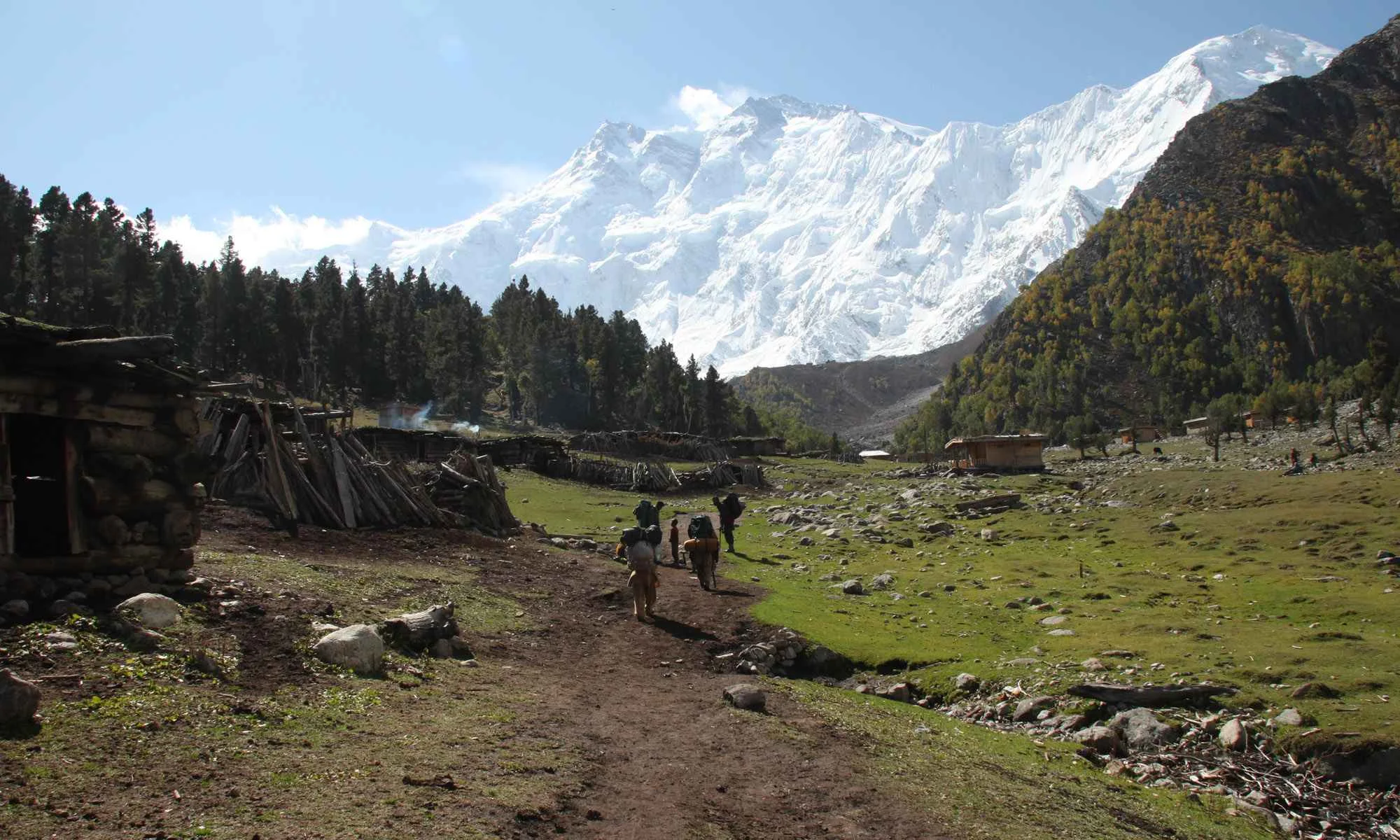
Begin trekking through forests, green meadows, and mountain trails. The gradual ascent helps with acclimatization while offering beautiful views.
Continue trekking through rugged terrain with the impressive west face of Nanga Parbat becoming more visible.
Reach the Diamir Base Camp, surrounded by towering glaciers and magnificent mountain scenery. Settle into camp and prepare for the climbing phase.
Spend the next 36 days establishing higher camps, carrying equipment, acclimatizing, monitoring weather conditions, and making the summit attempt. Rest days are included to ensure proper recovery and maximize the chances of a safe and successful ascent of Nanga Parbat (8,126m).
Base Camp – 4,200 m (13,780 ft)
Camp I – 4,800 m (15,750 ft)
Camp II – 6,100 m (20,010 ft)
Camp III – 6,700 m (21,980 ft)
Camp IV – 7,300 m (23,950 ft)
Summit of Nanga Parbat – 8,126 m (26,660 ft)
After completing the expedition, trek down through Shaichi to Bunar Village while enjoying the final views of the mountain.
Drive back to Chilas, celebrate the successful expedition with your team, and enjoy a comfortable night at the hotel.
Travel back to Islamabad via the Karakoram Highway, passing through dramatic mountain landscapes and river valleys.
Attend the final debriefing at the Ministry of Tourism, complete expedition formalities, receive certificates (if applicable), and enjoy a farewell dinner with the team.
Transfer to Islamabad International Airport for your onward flight, marking the end of your unforgettable Nanga Parbat Expedition with cherished memories of one of the world's most iconic mountains.
Services
- All airports pick & Drops on arrival and departures.
- Air condition Transportation for Briefing & De-briefing in Alpine club of Pakistan /Ministry of Tourism.
- Both ways Air condition coaster / mini bus / car between Islamabad - Chilas both ways .
- 4x4 Jeep/Toyotas between Skardu - Halalay Bridge both ways.
- Transportation for sightseeing.
- 3*/4* Hotel accommodation with bed & breakfast in Islamabad .
- Best standard Hotel accommodation with full board in Chilas.
- Expedition Royalty and Climbing Permit.
- Insurance premium for Local staff and porters.
- Documentation.
- Visa facilitation letter.
- Professional guide to transfer expedition to base camp.
- Way up 75kg to transfer at base camp for 8000m peak expedition allow in our services.
- Way down 50kg allow in our services for 8000m peaks expedition.
- Necessary base camp staff (base camp manager, Chief, Cook, Assistance and Waiters.
- Three meals a day and tea - coffee - snacks during the trek and base camp stays.
- Solar panel/ generator for light and battery charge at base camp.
- Comfortable foam / mattress while trekking and base camp.
- A north face tent provide as individual member at base camp.
- Hot shower and toilet tents.
- Comfortable chairs and table while trekking and base camp stays.
- Complete camping setup with dinning & kitchen tents while trekking and base camp.
- Fresh and Hygenic foods during trekking and base camp stay.
- Medical first aid kit for group and staff.
- Walkies talkie for base camp communication.
- All camping and bridge crossing fee.
- Assistance for international tickets reconfirmation.
- Farewell dinner will served in Skardu / Islamabad.
- Bamboo Sticke for 6000m 8000m Expedition
- Member international flight tickets.
- Members Climbing / trekking gears.
- Sleeping bag and all personal expenses such as telephone calls, fax, email charges, liquor or soft drinks.
- Room service, gratuities for personal services, items of a purely personal nature.
- Staff tips, We recommend you to give small bonus for our local staff.
- Mini bars while staying in hotels /travelling.
- Member personal insurance.
- Custom clearing charges (import and export of equipments)
- Oxygen, Mask & regulator sets.
- EPI Gas, Ropes, Ice screws, snow bar, cooking pots beyond base camp.
- RECOMMENDATION:- We recommend our clients to deposit helicopter rescue aviation deposit in advance $5000/- the entire money is refundable if not use. In case any emergency happen on remote mountain range then we fly helicopter on time to save life.
- TRAVEL INSURANCE:- It is a strongly recommend that while booking treks and tours with us that travelers/trekkers must be protected by insurance themselves that covers cancellation, accidents, health, emergency evacuation, and loss of items, or damage to baggage and personal effects.
Location on Map
Photo Gallery
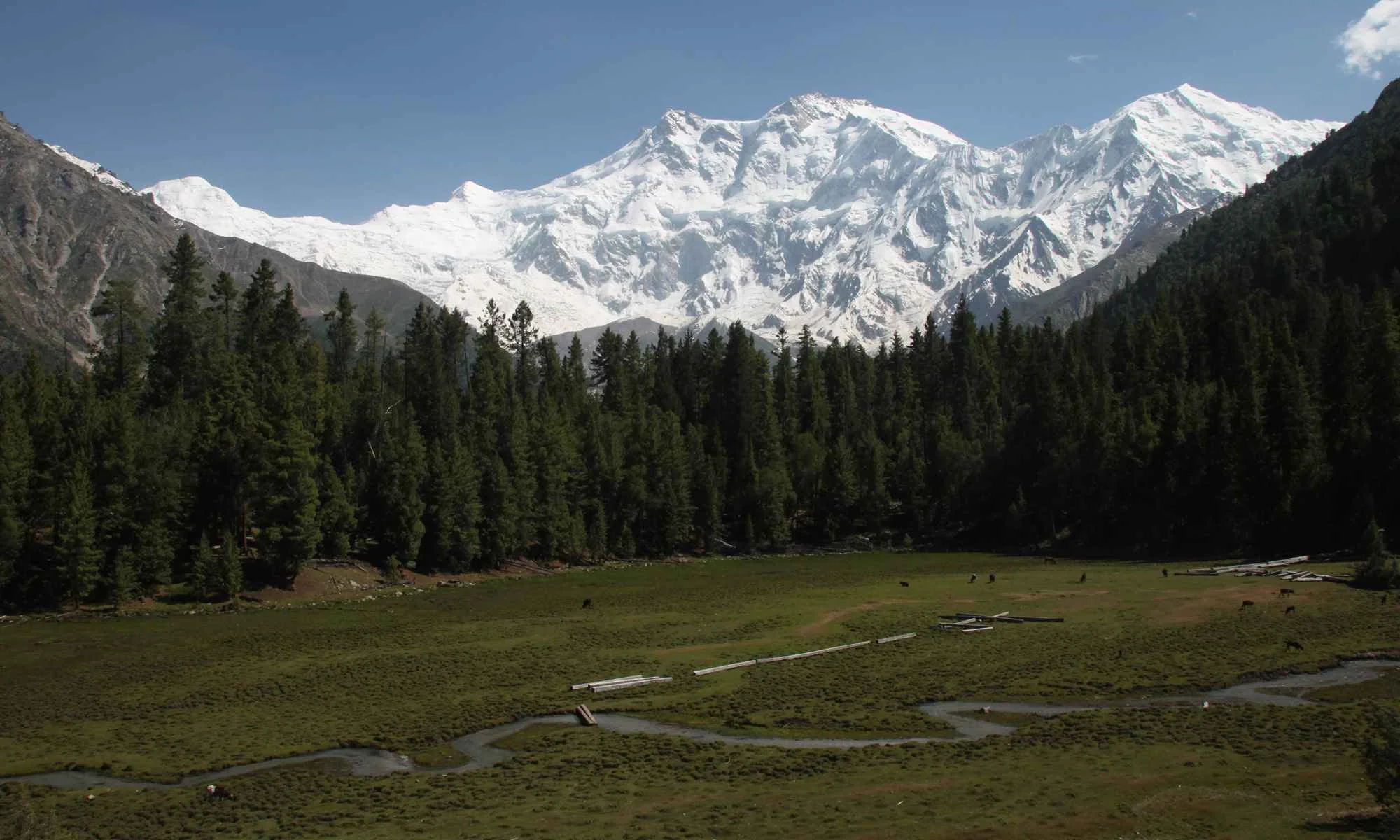
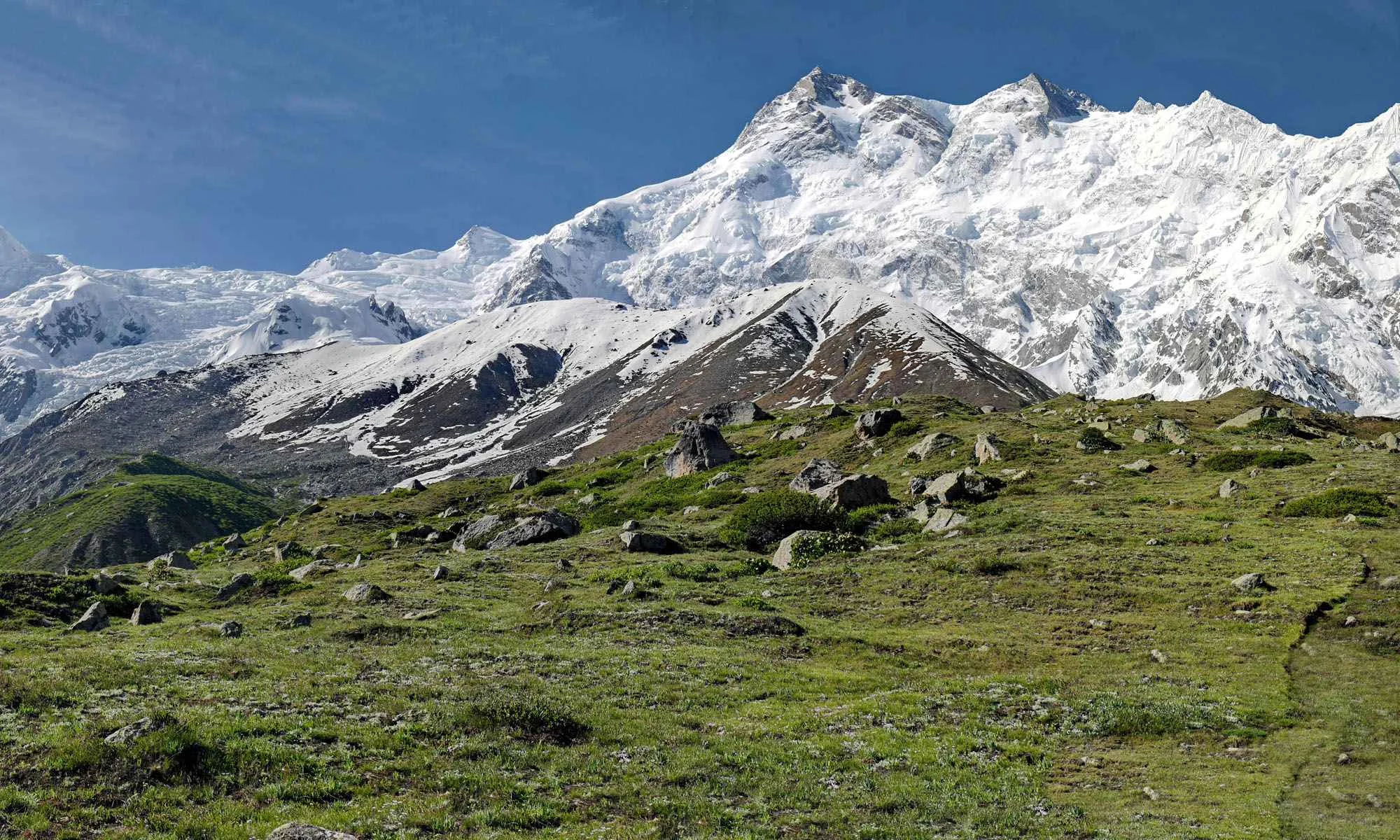
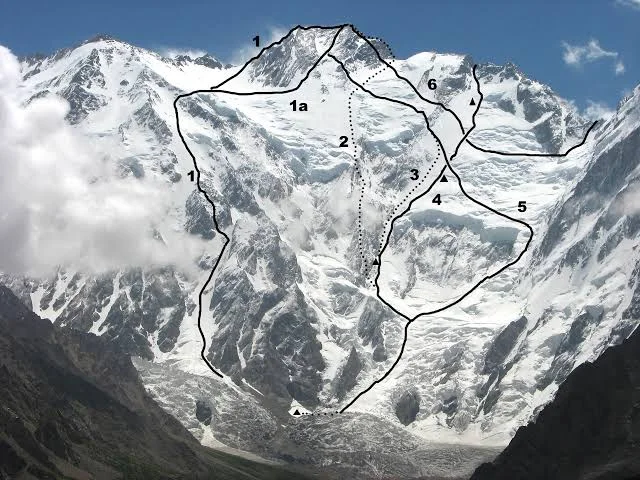
Frequently Asked Questions
Nanga Parbat is located in the Gilgit-Baltistan region of northern Pakistan, in the western Himalayas. It stands at 8,126 meters (26,660 feet), making it the 9th-highest mountain in the world.
No. Nanga Parbat is one of the world's most challenging and dangerous 8,000-meter peaks. It is suitable only for highly experienced mountaineers with extensive high-altitude climbing experience.
The best season is June to August, when weather conditions are generally more stable. For trekking to Fairy Meadows and Base Camp, May to September is the most popular period.
Nanga Parbat earned the nickname "The Killer Mountain" because of its difficult climbing routes, steep terrain, avalanches, and the high number of climbers who lost their lives during early expeditions. Modern equipment and improved climbing techniques have increased safety, but it remains one of the most demanding mountains in the world.
Book Your Tour
Client Feedback
Customer Reviews
See what our clients say about their experience
No reviews yet. Be the first to review this tour!
Write a Review
Explore Further
Related Packages
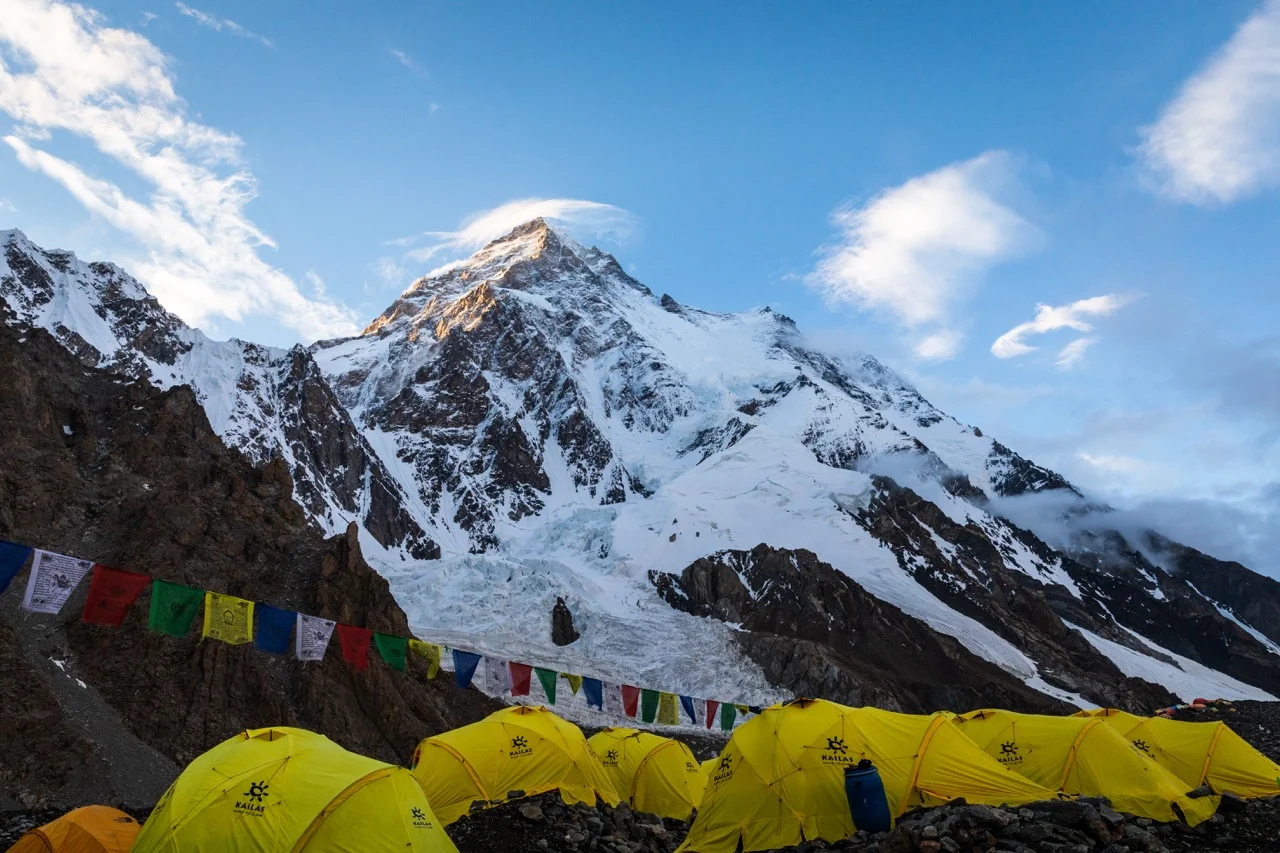
K2 8,611 meters (28,251 feet)
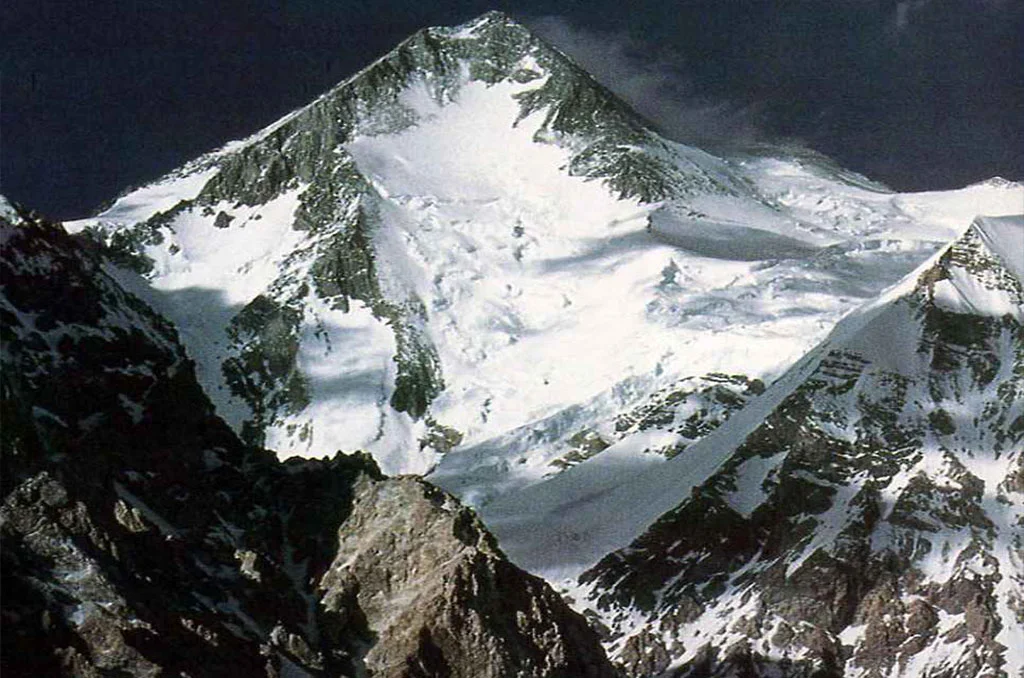
Gasherbrum I (Hidden Peak) (8,080 meters / 26,509 feet)
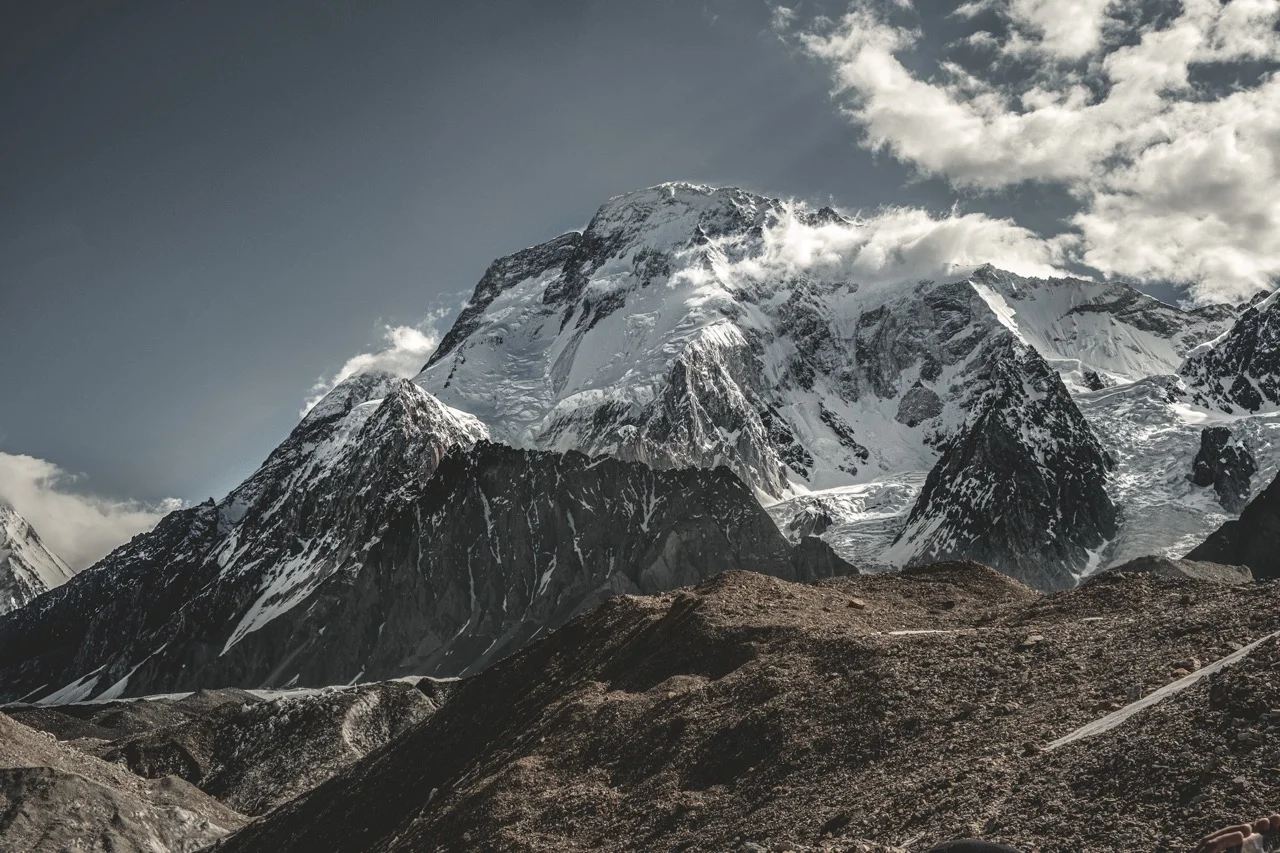
Broad Peak (8,051 meters / 26,414 feet)
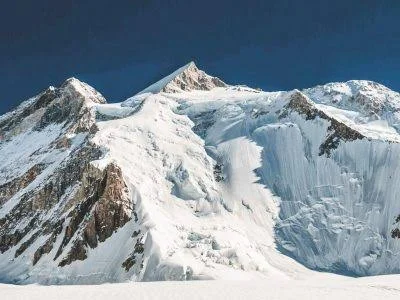
Gasherbrum II (8,035 meters / 26,362 feet)
Feedback